Kids' Bank Cards in Ukraine 2026: monobank Junior vs Sense Kids vs Privat Junior
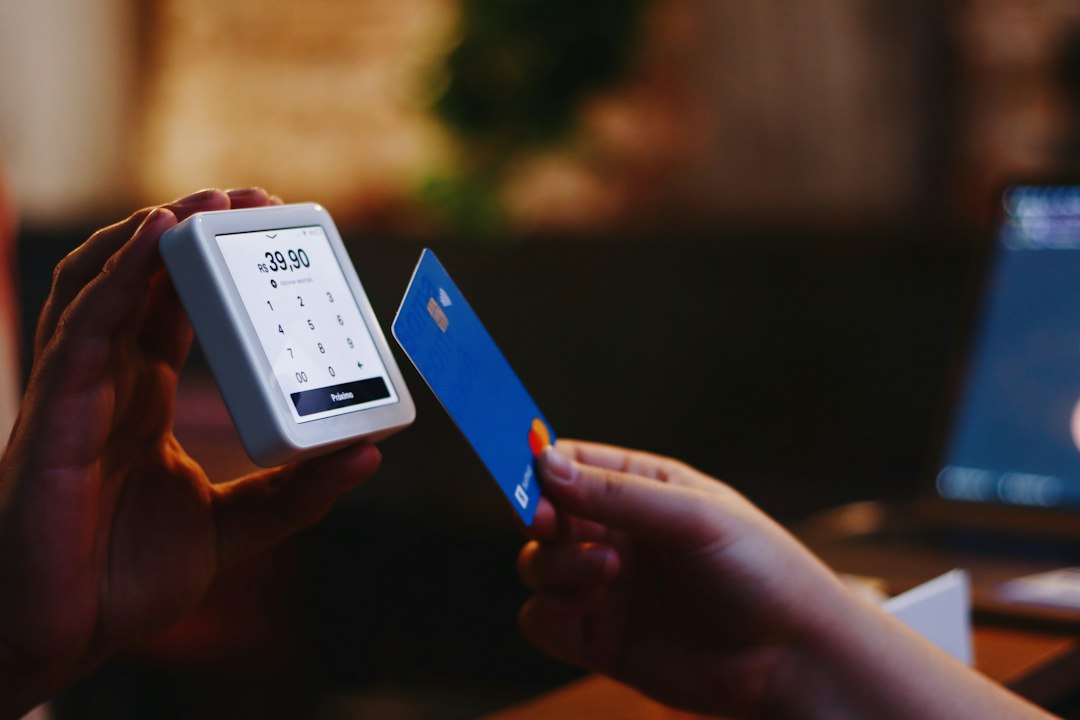
Hand your kid a card and relax — or track every hryvnia? In 2026, three Ukrainian banks offer children’s cards at zero cost, and the choice between them isn’t as obvious as it looks. Sense Kids works from age 4, the earliest threshold on the market.
A children’s payment card isn’t just a piece of plastic for your kid. It’s the tool that shows you every transaction, lets you freeze the card in 10 seconds, and caps monthly spending — say, UAH 5,000. And the child learns, firsthand, that money runs out. All three products — monobank Junior, Sense Kids from Sense Bank, and Privat Junior from PrivatBank (Ukraine’s largest retail bank by customer count) — are free. But the differences matter.
# Which children’s card to choose in 2026 — quick answer
If your child is 4–5 and you want to start as early as possible — Sense Kids only. Already on monobank and don’t want to juggle apps — monobank Junior. Your salary hits a PrivatBank card and Privat24 is your home screen — Privat Junior.
That’s the whole decision. 80% of it comes down to where the parent already banks. The other 20%: the child’s age, cashback, and learning features inside the app.
Let’s go through each product, though. The details are worth knowing.
# monobank Junior: how it works and what parents get
monobank Junior (monobank is Ukraine’s leading digital-only bank) is available from age 6 — the parent opens it inside the mono app, no branch visit needed. That’s the main convenience: the whole process takes about five minutes, and the physical card arrives by post within roughly a week.
The parent manages everything through the “Children” section of the main mono app. You see the child’s balance, full transaction history, and limit settings. Set UAH 200 per day and UAH 3,000 per month, and the card physically stops working once either cap is hit — no warnings, just a declined transaction. The child learns to plan because there’s no alternative.
Cashback is up to 1% across most categories, inherited from the parent account’s terms. That’s not a child-specific feature — it’s just how sub-accounts work on mono. But for a kid it’s a decent introduction: buy a chocolate bar for UAH 50, get UAH 0.50 back. Small amount, clear logic: money can come back, not just go out.
The card is linked to the parent’s account — there’s no separate account for the child. That simplifies top-ups. The trade-off: the child can’t independently save up “their own” money; everything flows from the parent’s funds.
# Sense Kids: a card from age 4 — features and gaps
Sense Kids from Sense Bank is the only product in Ukraine’s market available from age 4. That’s a genuine differentiator if your child is young and you want to start the money conversation early.
The Sense Kids app is separate — a simplified, child-facing interface. It includes parent-assigned tasks (cleaned your room → earned UAH 50), a goal-based piggy bank (want a bike for UAH 3,000? here’s a progress bar), and basic explanations of spending and saving. Honestly, for a 4-year-old this is closer to gamification than real financial education. For 8–10-year-olds it actually works.
Parental controls sit on a dedicated screen inside the Sense Bank parent app. You see all transactions, can freeze the card instantly, and set limits by spending category — blocking gaming stores, for instance.
The cashback is promotional, not permanent. One month might bring 5% on groceries; the next, nothing. That’s a downside compared to mono, where the terms are stable and predictable.
# Privat Junior: for PrivatBank’s existing customers
Privat Junior is available from age 8 and can be opened in the Privat24 app or at a branch. PrivatBank is Ukraine’s largest bank by customer count, so if the parent gets their salary there, Privat Junior is the obvious pick — no new apps, no new accounts, everything in one place.
Management runs through Privat24’s card settings section. Limits by day, week, and month. Cash withdrawals at PrivatBank ATMs — free. At other banks’ ATMs — 1%. For most kids that’s academic; children’s spending is almost entirely contactless.
The loyalty programme is Fishka — points earned on purchases at partner retailers. The practical value of Fishka depends entirely on your location. In Kyiv it works well. In a smaller city, the partner network is thin enough to make the points nearly meaningless.
One friction point worth flagging: opening Privat Junior requires a branch visit with the child and their documents. monobank handles this entirely online. It’s not a dealbreaker, but it’s an extra hour of your day.
# Parental spending controls: how to set a UAH 5,000 monthly limit
UAH 5,000 a month is a reasonable benchmark for a 12–16-year-old in a Ukrainian city: public transport, school lunches, small purchases. For younger children, UAH 1,000–2,000 is more appropriate.
In all three apps the flow is the same: open the child’s card settings → find “Limits” → enter a monthly amount. When the limit is hit, the card stops working — no warning notification, just a declined transaction. The child learns to budget because there’s no way around it.
A few practical notes from parents who’ve been through this:
- Set the limit slightly below the child’s actual needs. When they come to you for extra funds, it opens a conversation — not a punishment, just an explanation of where the money went.
- Push transaction notifications to the parent’s phone. On mono they arrive instantly. You’ll know about the 11pm purchase before your kid mentions it.
- Category blocking offers the most flexibility in Sense Kids. If you don’t want money going to Steam or the App Store, block “digital goods” outright — mono and Privat don’t offer that granularity.
Here’s a rough age-based limit guide:
| Age | Suggested monthly limit | Covers |
|---|---|---|
| 4–6 | UAH 500–800 | Small purchases made with a parent |
| 7–10 | UAH 1,000–2,000 | School supplies, stationery |
| 11–14 | UAH 2,000–3,500 | Transport, lunches, entertainment |
| 15–17 | UAH 3,500–5,000 | + clothing, partial gadget costs |
# Financial literacy through a card: real tool or marketing?
Honest take: most “educational” features in children’s banking apps are marketing. Cute animations about piggy banks don’t replace a parent actually talking to their child about money.
But there’s one exception — and it works. When a child can see their balance and watch it drop after every purchase, the abstraction becomes real. “Money runs out” stops being a concept and becomes a number: had UAH 500, bought sneakers for UAH 350, left with UAH 150. That visibility is the best financial lesson any of these three cards delivers — no special features required.
Sense Kids takes it further with tasks and savings goals. For kids aged 7–11 it’s genuinely engaging: set a goal to buy a game for UAH 800, save toward it, watch the progress bar move. Financial habits that matter in adult life — understanding that money doesn’t appear from nowhere — start with exactly these kinds of concrete exercises.
monobank Junior and Privat Junior don’t have this layer. They’re built for control, not education. That’s a legitimate design choice — just different priorities.
# Children’s card security: what to do if the card is lost
A lost card isn’t a crisis when you have the app. Blocking it at all three banks takes about 10 seconds: open the app → find the child’s card → tap “Block.” The card stops working immediately.
Reissuing is free at all three. Delivery timelines: monobank sends a new card by post in up to 7 days; PrivatBank lets you pick one up at a branch faster if you prefer.
Security basics worth explaining to your child:
- The PIN is private — not even friends.
- If the card gets stuck in an ATM, call the parent immediately. Don’t try to solve it alone.
- One-time SMS codes are never read out to anyone on the phone, even if the caller claims to be “from the bank.”
One thing to avoid: linking the child’s card to online store accounts without parental oversight. One accidental App Store or Steam purchase for UAH 2,000 and the conversation about spending limits becomes very concrete, very fast.
# Comparison table: monobank Junior, Sense Kids, Privat Junior
| Feature | monobank Junior | Sense Kids | Privat Junior |
|---|---|---|---|
| Minimum age | 6 | 4 | 8 |
| Card fee | UAH 0 | UAH 0 | UAH 0 |
| Sign-up process | Fully online, no branch visit | Online or branch | Branch visit required |
| Cashback | Up to 1%, ongoing | Promotional, varies | Fishka loyalty points |
| Spending limits | Daily / monthly | Daily / monthly / by category | Daily / weekly / monthly |
| Category blocking | No | Yes | Partial |
| Learning tools | Basic | Goals, tasks, progress bar | None |
| ATM fee (other banks) | Per parent account terms | Per account tariff | 1% |
| Separate child account | No (parent sub-account) | Yes | No (parent sub-account) |
| Best for | monobank users | Kids aged 4–11, learning focus | PrivatBank customers |
# What to check before you apply
Three things most parents don’t verify upfront — and then wonder about later.
First: check whether the bank requires a minimum balance on the parent’s account. monobank and PrivatBank don’t. Sense Bank depends on the parent’s tariff plan. On a base-tier plan, some Sense Kids features may be restricted.
Second: physical or virtual card? For children under 10, a virtual card usually covers everything — it works via phone or a smartwatch. monobank Junior issues both. Sense Kids does the same. PrivatBank skews toward physical.
Third: a tax note — not your concern practically, but worth knowing. Topping up a child’s card from a parent is not treated as taxable income for the child under Ukrainian law. Parents occasionally ask about this.
The short version: Sense Kids if your child is under 6, or if category blocking and learning tools matter to you. monobank Junior if you’re already on mono and want zero extra friction. Privat Junior if PrivatBank is your primary bank and Privat24 is already on your home screen.
All three are free. All three give you parental control. Any of them beats handing over cash — full stop.
# See also
- Best Cashback Cards in Ukraine 2026
- Bank Deposits in Kyiv 2026: Best Rates
- Card Acceptance for Sole Traders in Ukraine 2026
- All banks
- Currency rates
- Financial calculators
Frequently asked questions
What is the minimum age to get a bank card for a child in Ukraine?
The earliest option is Sense Kids, available from age 4. monobank Junior starts at 6, Privat Junior at 8. Any card requires the parent to be present at sign-up; some banks also ask for the child's birth certificate.
Are children's bank cards in Ukraine free, or are there hidden fees?
All three — monobank Junior, Sense Kids, and Privat Junior — are free to issue and maintain monthly. Fees can appear on ATM cash withdrawals at other banks: monobank applies the parent account's standard terms; PrivatBank charges 1% at third-party ATMs.
How do I set a spending limit for my child's card?
In the parent's app: monobank has a 'Children' section, Sense Bank uses a dedicated Sense Kids screen, and PrivatBank handles it through card settings in Privat24 (Ukraine's largest retail banking app). Limits can be set daily, weekly, or monthly. A common benchmark for teenagers is UAH 5,000 per month.
Can my child see my purchases?
No. The child sees only their own balance and transactions. The parent sees both sides — their own spending and the child's — in one app.
Can I block my child's card instantly?
Yes, with all three banks — one tap in the app. Unblocking is equally fast. That's the core advantage over cash: lost card, blocked in 10 seconds.
Do children's cards offer cashback?
monobank Junior offers up to 1% on most categories under the parent account's terms. Sense Kids runs periodic promotional categories. Privat Junior earns points in the Fishka loyalty programme, though the value depends on which partners are available in your city.